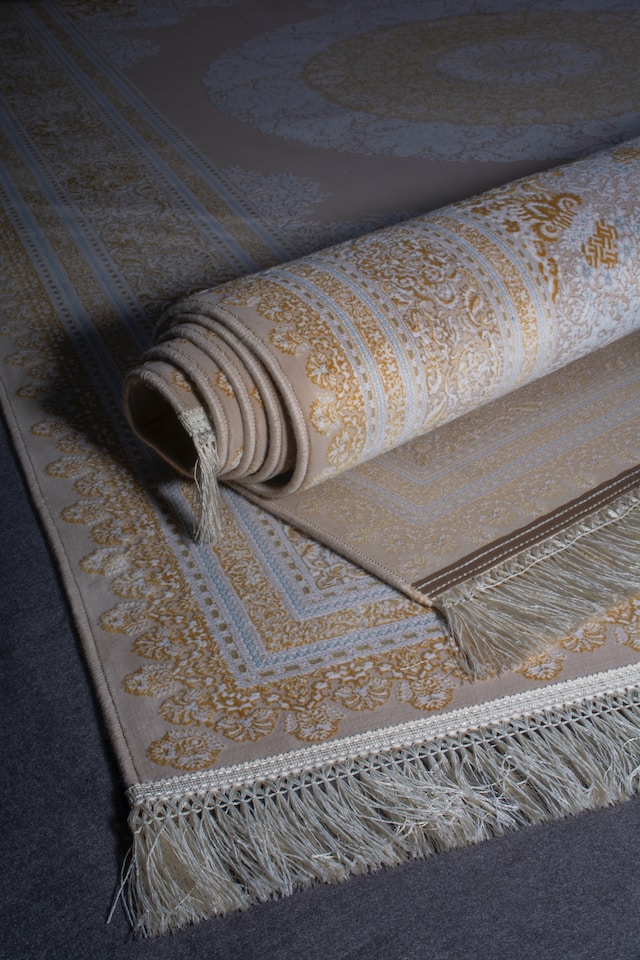
Native American rug weaving has been **practiced** for centuries by various tribes. The intricate patterns and vibrant colors **used** in these rugs hold deep cultural significance. Each design tells a story, reflecting the tribe's history, beliefs, and traditions.
The art of rug weaving was passed down through generations, with each weaver adding their own unique touch to the designs. These rugs were not only used for practical purposes but also served as symbols of wealth and status within the community.
Native American rugs have gained recognition for their beauty and craftsmanship around the world. They are considered valuable pieces of art that showcase the rich cultural heritage of indigenous peoples.
Today, Native American rug weaving continues to thrive, with modern weavers blending traditional techniques with contemporary styles. These rugs serve as a link to the past while also evolving to reflect the changing times.
In conclusion, Native American rug weaving is a treasured tradition that holds immense cultural importance. It serves as a reminder of the resilience and creativity of indigenous peoples throughout history.
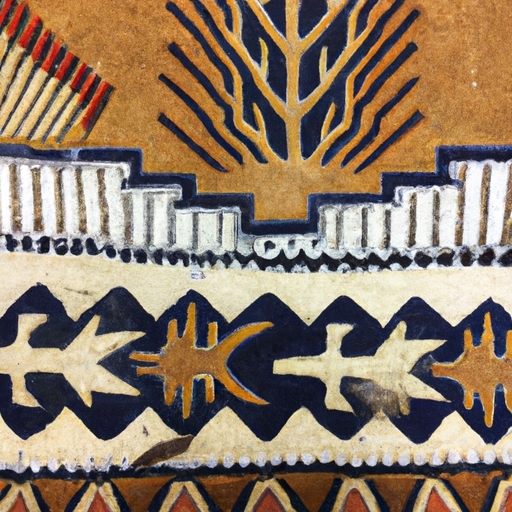
Traditional Native American rugs are a marvel. The materials used in creating these stunning pieces are carefully chosen to ensure durability and beauty.
One of the least probable materials used is synthetic fibers. Traditional Native American rug makers typically opt for natural materials such as wool, cotton, or even silk. These materials not only provide a soft and luxurious feel but also hold up well over time.
Additionally, some traditional Native American rugs incorporate more unique materials such as feathers, shells, or even porcupine quills. These added elements give the rugs a distinctive look that sets them apart from other types of woven goods.
Overall, the variety of materials used in traditional Native American rug making showcases the creativity and resourcefulness of the artisans who craft these beautiful pieces. Each rug tells a story through its intricate design and carefully selected materials, making them truly special works of art.
Native American rugs come in **different** styles and designs. These intricate **pieces** of art are handwoven by skilled artisans using traditional techniques that have been passed down through generations. Each rug tells a story, with **unique** patterns and symbols that hold special meaning within the Native American culture. From geometric designs to bold colors, these rugs are truly a **sight** to behold. Whether used as decorative pieces or functional floor coverings, Native American rugs add a touch of **authenticity** and beauty to any space. With their rich history and cultural significance, these rugs are not just objects but works of art that reflect the deep connections between **nature**, spirituality, and creativity in Native American traditions.
Native American rugs hold a special **place** in the history and culture of indigenous peoples. The techniques and processes involved in creating these beautiful works of art have been passed down through generations, each **weaver** adding their own unique touch to the traditional designs.
One of the key techniques used **in** crafting Native American rugs is called "warping," which involves setting up the vertical threads on a loom **to** create the foundation for the rug. The weft threads are then woven horizontally across the warp threads, creating intricate patterns and designs that reflect the weaver's creativity and skill.
Natural materials such as wool, cotton, and **yarn** are often used to create Native American rugs, with natural dyes extracted from plants, minerals, and even insects being used to add vibrant colors to the finished product. Each tribe has its own traditional methods for dyeing yarns and weaving rugs, resulting in a wide variety of styles and patterns that showcase the diversity of Native American cultures.
The process of creating a Native American rug can be time-consuming and labor-intensive, requiring patience and attention to detail. However, many weavers view it as a form of meditation and connection to their ancestors, who passed down these techniques centuries ago.
In conclusion, Native American rugs are not just pieces of art but also symbols of cultural heritage and tradition. By preserving these ancient techniques and processes, weavers continue to celebrate their roots while sharing their beautiful creations with the world.
Native American rugs hold deep cultural **significance**. These intricate patterns tell stories of **ancestral** traditions passed down through generations. The use of symbolism in rug designs is a way to honor and remember the history of Native American tribes. Each pattern woven into the rug represents a different aspect of tribal life, from nature to spirituality. The storytelling aspect of these rugs is what sets them apart from other types of textiles. Through the use of symbols and colors, each rug tells a unique story that connects the weaver to their ancestors and heritage. The intricate details and craftsmanship put into each rug are a testament to the skill and dedication of Native American artisans. These rugs serve as more than just decorative pieces; they are powerful symbols of cultural identity and resilience.
The impact of commercialization on traditional Native American rug making practices has been a contentious issue for many in the indigenous community. While some argue that the increased demand for these rugs has helped to preserve and promote traditional weaving techniques, others believe that commercialization has led to a loss of authenticity and cultural significance.
Commercialization can often **be** seen as a double-edged sword. On one hand, it provides economic opportunities for Native American weavers and allows them to reach a larger market of consumers. This can help to ensure the survival of traditional weaving practices and provide much-needed income for indigenous communities.
However, there is also a concern that commercialization may lead to the commodification of Native American culture. Traditional rug making practices are deeply rooted in cultural traditions and have been passed down through generations. When these practices are commercialized, they run the risk of being watered down or altered to fit market demands.
Additionally, there is a fear that commercialization may result in exploitation of Native American artisans. As demand for traditional rugs increases, there is pressure on weavers to produce more quickly and at lower costs. This can lead to unfair labor practices and substandard working conditions for indigenous artisans.
In conclusion, while commercialization may bring economic benefits to Native American weavers, it also poses significant challenges to the preservation of traditional rug making practices. It is important for consumers to be mindful of the impact their purchasing decisions have on indigenous communities and to support ethical and sustainable practices in the production of traditional Native American rugs.
Native American rug weaving traditions have been passed down through generations, **preservation** efforts are vital to ensuring this art form continues to thrive. Many contemporary adaptations of these traditional techniques have emerged in recent years, blending old and new styles to create unique and innovative designs.
While some may argue that traditional Native American rugs should remain unchanged, it is important to recognize the value in adapting these practices to suit modern tastes and needs. By incorporating new materials or experimenting with different weaving patterns, artisans can keep the craft alive while also appealing to a wider audience.
Preserving the integrity of Native American rug weaving traditions is crucial, but so is allowing for growth and evolution. Just as cultures evolve over time, so too must their artistic expressions. By embracing both the past and present, we can ensure that this rich tradition continues to flourish for generations to come.
Yes, they are highly sought after by collectors and art enthusiasts for their cultural significance and craftsmanship.